Pets Are Inn Franchise FDD, Profits & Costs (2025)

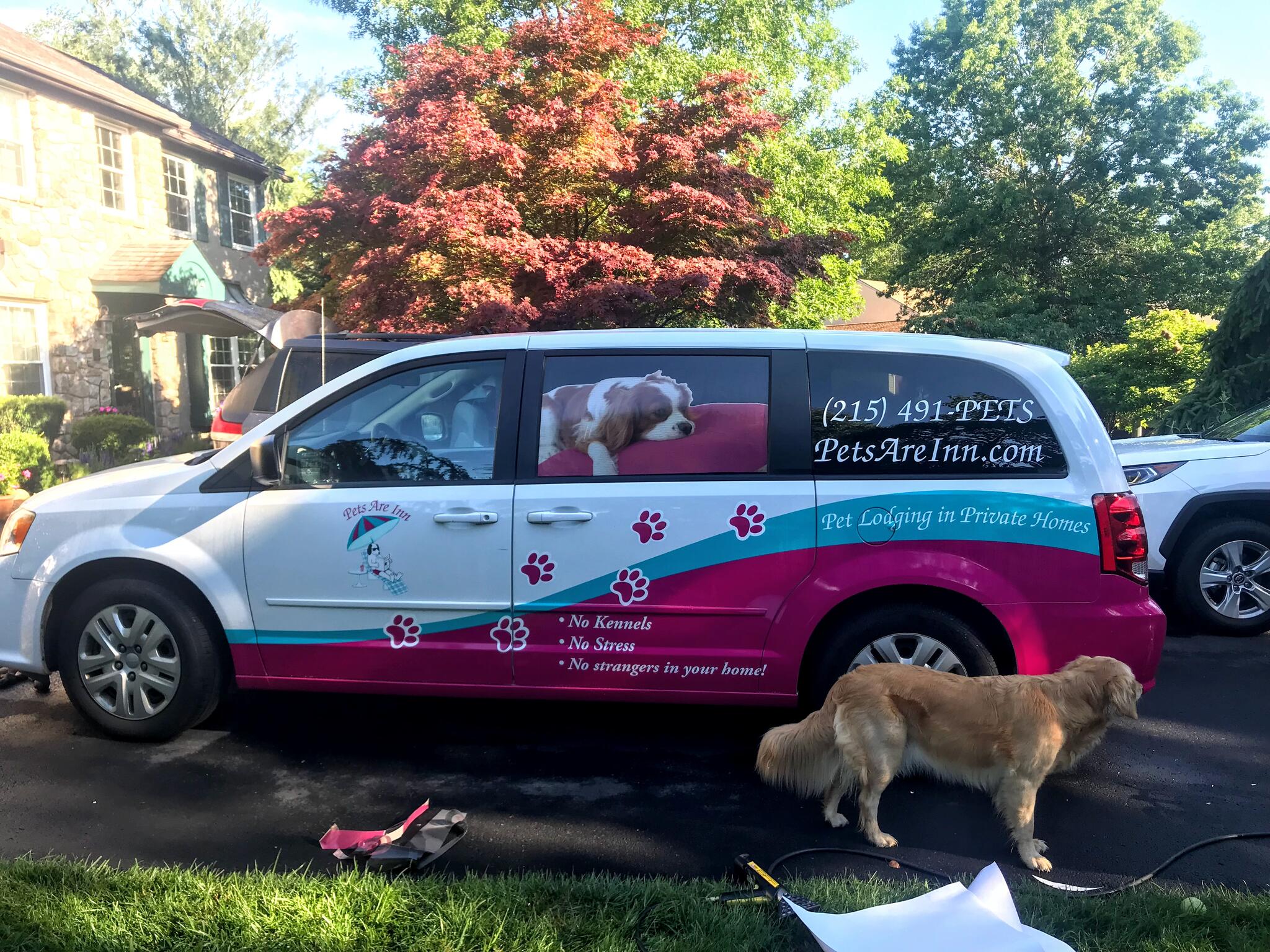
Pets Are Inn is a pet boarding franchise that started in 1982 in Minneapolis, Minnesota, and today operates from its headquarters in Edina, Minnesota. The brand was established to give pet owners a worry-free, kennel-free solution for boarding their pets while traveling.
The company introduced franchising in 1986 and was later purchased by Ann and Jim Platt in 1992, who helped grow the network further. Its business model emphasizes a personalized alternative to kennels by partnering with carefully chosen host families who provide attentive care.
Unlike traditional boarding facilities, Pets Are Inn places pets in private homes where they stay cage-free and comfortable. Each pet is matched with a suitable host family, and the service includes convenient round-trip transportation, ensuring both consistency and individualized attention.
What truly distinguishes Pets Are Inn is its focus on creating a familiar, home-like atmosphere. With no cages or crowded spaces, pets receive dedicated care in a peaceful residential environment, giving owners confidence and pets the comfort they deserve.

Initial Investment
How much does it cost to start a Pets Are Inn franchise? It costs on average between $74,000 – $122,000 to start a Pets Are Inn franchised center.
This includes expenses for franchise fees, training, transportation vehicles, marketing, and initial operating costs. The total investment varies depending on factors such as the size of the territory, local market conditions, and whether the franchisee leases or purchases necessary resources.
| Type of Expenditure | Amount |
|---|---|
| Initial Franchise Fee | $65,000 |
| Initial Advertising Fee | $0 to $7,500 |
| Real Estate and Improvements | $0 to $2,500 |
| Mini Van | $1,750 to $30,000 |
| Insurance | $500 to $1,000 |
| Supplies and Printing | $1,500 to $3,500 |
| Boarding Supplies | $500 to $2,000 |
| Expenses for Training in Minneapolis | $500 to $1,000 |
| Computer Equipment and Software | $2,500 to $5,000 |
| Additional Funds | $2,000 to $4,000 |
| Totals | $74,250 to $121,500 |
Pets Are Inn Franchise Disclosure Document
Frequently Asked Questions
How many Pets Are Inn locations are there?
As of the latest data, Pets Are Inn operates 5 franchised locations.
What is the total investment required to open a Pets Are Inn franchise?
The total investment required to open a Pets Are Inn franchise ranges from $74,000 to $122,000.
What are the ongoing fees for a Pets Are Inn franchise?
Pets Are Inn franchisees are required to pay an ongoing royalty fee of 7% of gross sales. In addition, there is a marketing and advertising fee, which can be up to 2% of gross sales. These recurring payments support the franchisor in providing continued operational guidance, system development, and brand-wide marketing efforts that benefit all franchisees.
Who owns Pets Are Inn?
The franchise is owned by Ann and Jim Platt, who acquired Pets Are Inn in 1992 and have continued to oversee its growth and operations.
Disclaimer
Disclaimer: This content has been made for informational and educational purposes only. SharpSheets is an independent educational resource and is not affiliated with, endorsed by, or representing any franchisor mentioned on this website. Where noted, figures are taken from the franchisor’s Franchise Disclosure Document (FDD). In some cases, we may provide independent calculations or estimates based on publicly available information. We do not make any representation or warranties with respect to the accuracy, applicability, fitness, or completeness of the information presented in the article. You should not construe any such information or other material as legal, tax, investment, financial, or other professional advice. Nothing contained in this article constitutes a solicitation, recommendation, endorsement, advertisement, or offer to buy or sell any franchises, securities, or other financial instruments in this or in any other jurisdiction in which such solicitation or offer would be unlawful under the franchise and/or securities laws of such jurisdiction.
All content in this article is information of a general nature and does not address the detailed circumstances of any particular individual or entity. Nothing in the article constitutes professional and/or financial and/or legal advice, nor does any information in the article constitute a comprehensive or complete statement of the matters discussed or the law relating thereto. You alone assume the sole responsibility of evaluating the merits and risks associated with the use of any information or other content in this article before making any decisions based on such information or other content.