Sky Zone Franchise FDD, Profits & Costs
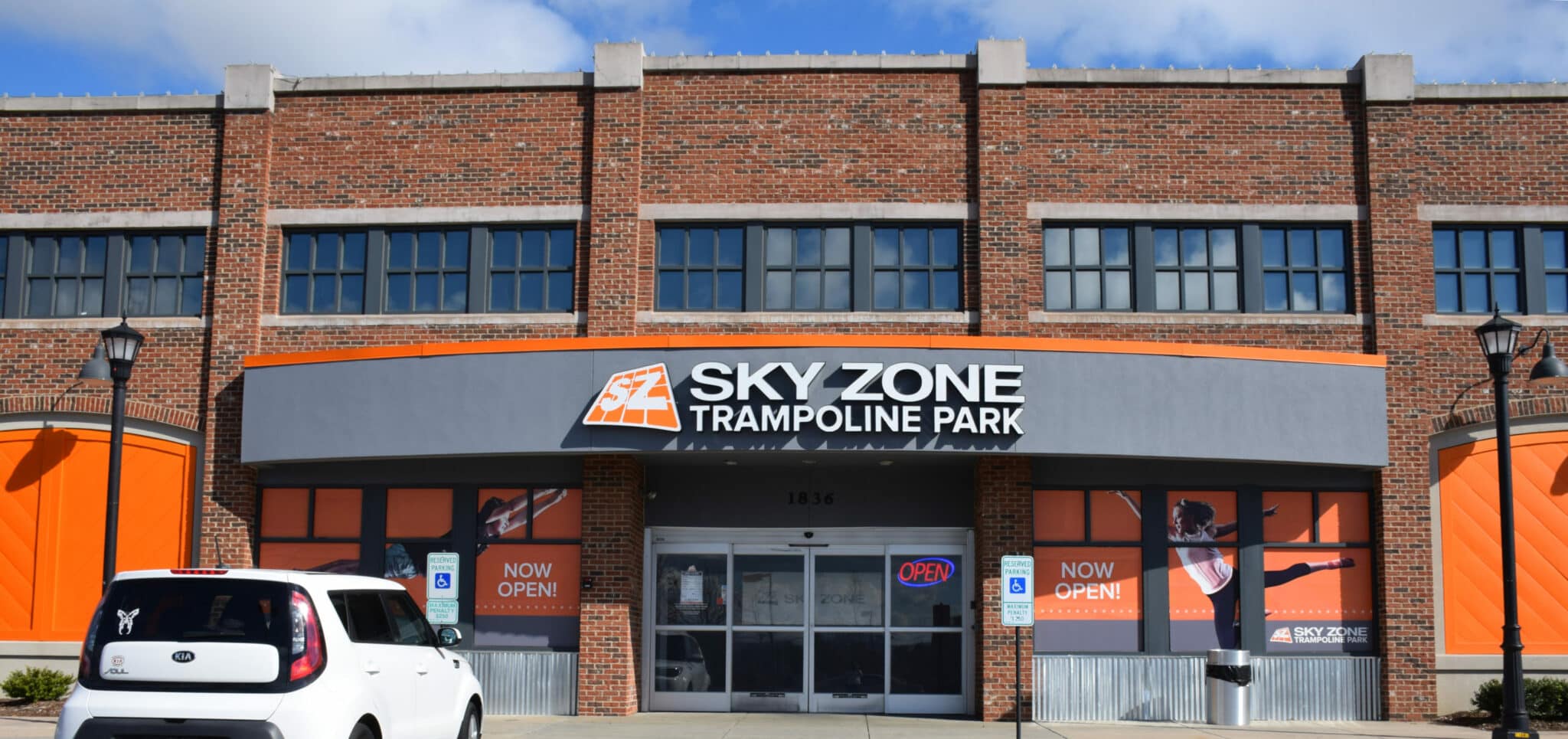
Sky Zone Trampoline Park is a leader in indoor active entertainment, renowned for creating the world’s first wall-to-wall trampoline park. Founded in 2004 in the Las Vegas Valley by Rick Platt, the concept originally aimed to establish a new sport involving trampolines.
However, the idea evolved into an entertainment facility featuring trampolines and other attractions, such as dodgeball courts and obstacle courses. The company’s headquarters is located in Los Angeles, California. It began franchising in 2009 and has since grown to over 250 locations worldwide, making it a significant player in the industry.
The franchise offers a variety of attractions focused on active play, fitness, and family entertainment, catering to both children and adults.
Its emphasis on fun, health, and innovative activities, like trampoline basketball and fitness classes, sets it apart from other indoor entertainment providers. Sky Zone’s parks also host events such as birthday parties and corporate gatherings, providing diverse revenue streams for franchisees.
Today, Sky Zone continues to expand its presence, with new parks opening across the U.S. and internationally. It remains a popular choice for franchisees due to its established brand and the growing demand for recreational entertainment.

Initial Investment
How much does it cost to start a Sky Zone Trampoline Park franchise? It costs on average between $235,000 - $6,400,000 to start a Sky Zone Trampoline Park franchised business.
This includes costs for construction, equipment, inventory, and initial operating expenses. The exact amount depends on various factors, including the location, and whether the franchisee chooses to lease or purchase the property.
Sky Zone offers three new-park investment options based on the size of the premises.
| Park Size | Initial Investment Range |
|---|---|
| 16,000–27,000 Square Feet | $3,246,160 to $4,782,210 |
| 27,000–39,000 Square Feet | $4,189,160 to $5,683,710 |
| 39,000–50,000 Square Feet | $4,935,960 to $6,400,210 |
The following table presents the estimated expenditures for a park measuring 16,000–27,000 square feet. The affiliate-only rebrand option and multi-unit development package are excluded.
For further details concerning the listed costs, refer to the Franchise Disclosure Document (Item 7).
| Type of Expenditure | Amount |
|---|---|
| Initial Franchise Fee | $75,000 |
| Lease & Security Deposits | $24,700 to $49,400 |
| Leasehold Improvements / Construction | $1,504,000 to $2,295,000 |
| Attractions | $672,000 to $945,000 |
| Furniture & Cabinets | $80,000 to $140,000 |
| Flooring | $35,000 to $59,000 |
| Lighting | $70,000 to $100,000 |
| Signage & Graphics | $50,000 to $80,000 |
| Fire Alarms, Sprinklers & Security | $30,000 to $70,000 |
| Café Equipment | $90,000 to $120,000 |
| IT Equipment | $139,500 to $144,000 |
| Architect | $75,000 to $125,000 |
| Construction Permits | $20,000 to $50,000 |
| Other Licenses & Permits | $5,000 to $12,000 |
| Initial Food & Beverage Inventory | $10,000 to $15,000 |
| Inventory, Uniforms & Party Supplies | $21,600 to $34,100 |
| Additional Park Fixtures & Supplies | $18,100 to $28,100 |
| Training Program & Pre-Opening Labor Expenses | $48,400 to $86,750 |
| Professional Fees | $5,000 to $15,000 |
| Insurance (First Quarter of Operations) | $24,000 to $65,000 |
| Additional Funds (Three Months) | $205,900 to $230,900 |
| Grand Opening Marketing Expense | $35,000 |
| Technology Fees | $2,960 |
| Site Development Fee | $5,000 |
| Total Estimated Initial Investment | $3,246,160 to $4,782,210 |
Frequently Asked Questions
What funding options are available for a Sky Zone franchise?
Most franchise buyers in Sky Zone’s investment range finance their unit through an SBA 7(a) loan, with some multi-unit operators using SBA 504 loans for real estate. Buyers with rollable retirement funds sometimes use a ROBS structure to reduce debt service. See SharpSheets’ financial model hub for funding guidance.
How long does it take to pay back a Sky Zone franchise investment?
Payback periods for franchises in Sky Zone’s category typically run 3-7 years, depending on investment level, location performance, and financing structure. Actual payback varies significantly by unit performance and debt service obligations.
Who owns Sky Zone Trampoline Park?
Sky Zone Trampoline Park is owned by CircusTrix, a company specializing in indoor recreational parks. CircusTrix acquired Sky Zone in 2018, expanding its footprint in the trampoline park industry.
CircusTrix itself is backed by Palladium Equity Partners, a private equity firm that supports its growth initiatives. This ownership structure has allowed Sky Zone to leverage CircusTrix’s expertise and resources in the active entertainment space to expand its brand and market reach.
SharpSheets Editorial Team | sharpsheets.io | Last Updated: September 2026
Disclaimer
Disclaimer: This content has been made for informational and educational purposes only. SharpSheets is an independent educational resource and is not affiliated with, endorsed by, or representing any franchisor mentioned on this website. Where noted, figures are taken from the franchisor’s Franchise Disclosure Document (FDD). In some cases, we may provide independent calculations or estimates based on publicly available information. We do not make any representation or warranties with respect to the accuracy, applicability, fitness, or completeness of the information presented in the article. You should not construe any such information or other material as legal, tax, investment, financial, or other professional advice. Nothing contained in this article constitutes a solicitation, recommendation, endorsement, advertisement, or offer to buy or sell any franchises, securities, or other financial instruments in this or in any other jurisdiction in which such solicitation or offer would be unlawful under the franchise and/or securities laws of such jurisdiction.
All content in this article is information of a general nature and does not address the detailed circumstances of any particular individual or entity. Nothing in the article constitutes professional and/or financial and/or legal advice, nor does any information in the article constitute a comprehensive or complete statement of the matters discussed or the law relating thereto. You alone assume the sole responsibility of evaluating the merits and risks associated with the use of any information or other content in this article before making any decisions based on such information or other content.